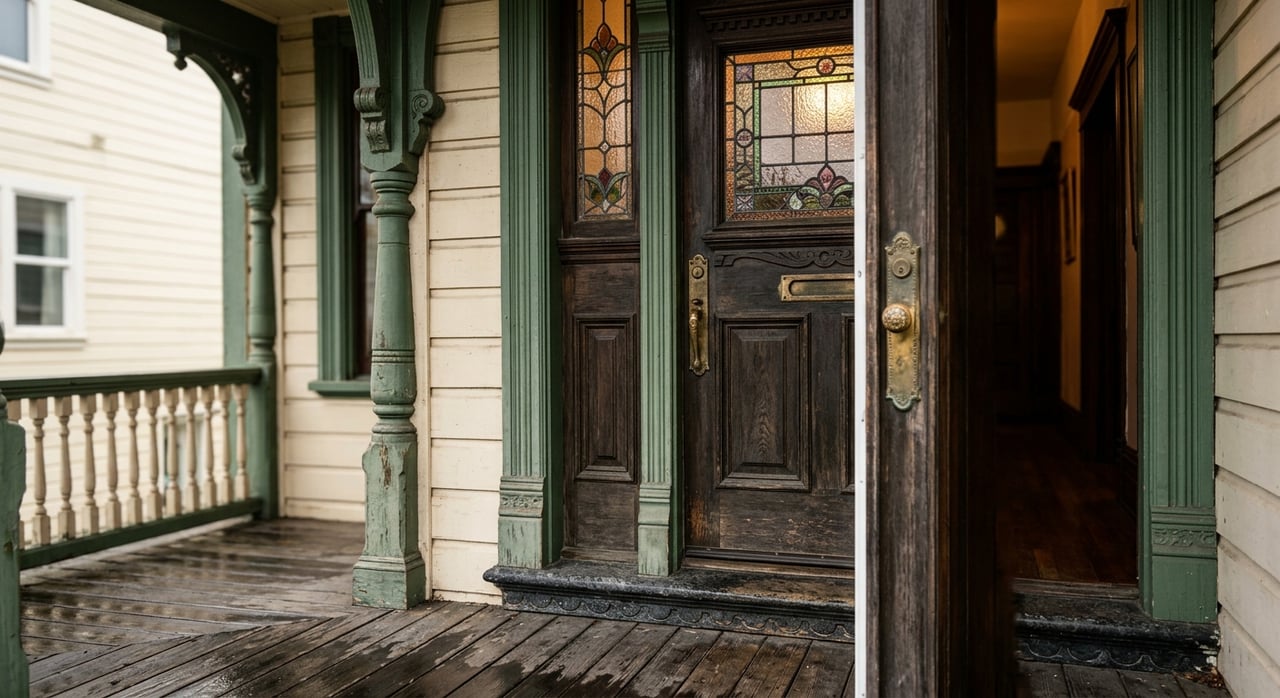
If you are drawn to the trim, texture, and story of an older Eureka home, you are not alone. Buying a historic property here can feel exciting and a little intimidating at the same time, especially when you are trying to sort out charm, condition, and local rules. The good news is that a little upfront homework can go a long way. Here’s what to know before you buy, so you can move forward with more clarity and confidence.
What “historic home” means in Eureka
In Eureka, a historic home does not always mean the same thing from one property to the next. The city’s historic resources include roughly 1,500 structures in its historic mapper, and those properties span a wide range of styles and eras, from 1860s buildings to later early- and mid-20th-century structures.
That means the house you are considering could be an older home with vintage character, a property on the Local Register of Historic Places, or a home within a designated historic district. Those differences matter because ownership, renovation options, and city review can vary depending on the property’s official status.
Old home vs. designated historic property
A house can be older and still not be formally designated. In Eureka, formal designation connects to the city’s Historic Preservation Ordinance, which created the Local Register of Historic Places and the Historic Preservation Commission.
If a property is on the Local Register, city approval may be required before it is altered. For exterior changes covered by the ordinance, the city evaluates work using the Secretary of the Interior’s Standards for the Treatment of Historic Properties.
Historic districts matter too
Location can affect what you can do with a property. In Old Town, Eureka identifies a 350-acre National Register historic district with 154 historical buildings and one related structure, covering a broad mix of building types and time periods.
For buyers, the practical point is simple: do not assume every older house has the same rules. Before you plan updates, verify whether the property is simply old, locally listed, or located in a preservation-sensitive area.
Why original features matter
One of the biggest adjustments for buyers is learning that original materials are often part of a historic home’s value and identity. In Eureka, those features can directly affect future repair choices and renovation flexibility.
Historic homes often reward a repair-first mindset. That may feel different from the standard “replace and modernize” approach many buyers expect when they first walk into an older property.
Windows are more than cosmetic
Wood windows are considered a major part of a building’s historic character. Eureka’s historic window resources focus on preservation, repair, and restoration rather than automatic replacement.
That does not mean original windows can never be improved. Guidance cited by the city notes that weatherstripping, caulking, storm windows, and selective sash or glazing work can improve performance while keeping historic character intact.
Exterior materials can affect approvals
Siding and trim choices matter too. In one Eureka preservation decision involving a Craftsman house, the commission found that replacing cedar shingle siding with hardi-siding would not preserve the home’s distinctive historic materials.
For you as a buyer, that is a useful real-world example. If you purchase a designated historic property, future exterior updates may involve more review than you would expect in a non-historic home.
Condition matters more than age
One of the most common myths about older homes is that age alone makes them hard to buy. In reality, financing and long-term ownership usually come down to condition, not just the year the home was built.
Fannie Mae states that it does not place a restriction on the actual age of a dwelling. Older homes can be acceptable if they meet general requirements, but appraisers must still report adverse conditions and needed repairs.
Appraisal and inspection are not the same
This point is especially important with historic homes. An appraisal is an independent opinion of value, but it is not a substitute for a home inspection.
If you are buying in Eureka, plan for due diligence that looks closely at structure, systems, deferred maintenance, and any issues that may affect safety or soundness. An older home can be beautifully preserved, or it can hide years of postponed work behind great curb appeal.
Common issues to review in older homes
Historic and older homes in Eureka may call for extra attention in a few key areas:
- Lead-based paint concerns in homes built before 1978
- Possible asbestos in older building materials
- Roof, structural, and mechanical condition
- Past additions, repairs, or remodels
- Exterior materials and window condition
- Seismic retrofit history
These are not automatic deal-breakers. They are simply areas where careful review matters.
Do your permit and designation homework
A beautiful older home can come with a long paper trail. Before you close, it helps to confirm what was done to the property, whether work was permitted, and whether preservation rules may affect your plans.
This is one of the best ways to avoid surprises after move-in.
Check permit history
Eureka’s Building Division says buyers can request permit history, building files, and building plans for any address. That can help you evaluate whether prior additions, repairs, or system changes were documented.
If a kitchen, bath, roofline, or converted space looks newer than the rest of the house, permit records can provide useful context. They can also raise questions worth reviewing before you remove contingencies.
Verify designation status early
Eureka’s GIS mapping tools include an Historic Mapper, which is one of the fastest ways to check whether a property is in a preservation-sensitive category. That is especially helpful if you are already thinking about replacing windows, residing the exterior, or changing architectural details.
Knowing a home’s designation status early helps you budget better and set realistic plans. It also helps you understand whether the property’s character features are likely to be treated as preservation priorities.
Understand lead paint and asbestos risks
If the home was built before 1978, lead-based paint rules are part of the buying process. Buyers must receive known lead information and the EPA/HUD lead-hazard pamphlet before becoming obligated under a contract for most covered housing.
If you plan future renovation work that could disturb lead paint, that work should be handled by lead-safe certified renovators. This is especially relevant in older Eureka homes where original trim, siding, windows, and painted surfaces may still be present.
Asbestos is not always obvious
Asbestos is another issue buyers should take seriously in older homes. You cannot tell by looking whether a material contains asbestos.
If suspect material is damaged, or if renovation could disturb it, EPA recommends sampling by a trained and accredited asbestos professional. This matters most when you are planning updates rather than simply living with existing materials as-is.
Financing a historic home in Eureka
Historic homes are not automatically difficult to finance. In most cases, the real question is whether the property meets the condition standards of the loan program you are using.
For conventional financing tied to Fannie Mae guidance, older dwellings may be acceptable if they meet general requirements. The lender and appraiser will focus on whether deficiencies affect safety, soundness, or structural integrity.
What buyers should expect
If the home has deferred maintenance or condition issues, repairs may be needed before closing, depending on the loan. That is why it helps to look at older homes with both your heart and your checklist.
VA-backed loans also require an appraisal and basic property-condition review. VA notes that the appraisal is not the same as a home inspection, and VA buyers should make sure the purchase contract includes the VA escape clause.
The Mills Act may help, but not every home qualifies
If you are buying a designated historic property in Eureka, the Mills Act may be worth exploring. The city says this program can reduce property taxes and support rehabilitation work, including seismic safety retrofitting.
That said, it is not a blanket tax break for every older house in town. In Eureka, the program applies only to privately owned, non-exempt properties that are individually listed on the City of Eureka’s Local Register of Historic Places.
What the Mills Act does not do
The Mills Act can be helpful, but it does not waive other ordinances, building-code requirements, or permit fees. In other words, it may create financial support for preservation-minded ownership, but it does not remove the need to follow local rules.
If a property interests you because of potential tax savings, confirm eligibility before you count on that benefit in your monthly budget.
Is a historic Eureka home right for you?
A historic home can be incredibly rewarding if you value original character and are comfortable with ongoing maintenance. These properties often offer details and craftsmanship that are hard to find in newer homes.
At the same time, they usually ask more from you as an owner. You may need more patience with repairs, more diligence with records, and more care when planning updates.
A smart buyer mindset
You may be a strong fit for a historic home in Eureka if you are willing to:
- Verify designation status before making plans
- Review permit history carefully
- Look beyond cosmetic charm to actual condition
- Budget for maintenance and repair over time
- Respect original materials and architectural details
That mindset can help you enjoy the property for what it is, while avoiding expensive misunderstandings later.
If you are considering a historic home in Eureka, local context matters. From designation status to permit history to condition questions, these properties often need a more careful read than a typical sale. Working with a team that understands Humboldt County’s older housing stock can help you ask better questions and make a more informed decision. When you are ready to explore your options, connect with Kyla Nored.
FAQs
What makes a home historic in Eureka?
- In Eureka, a home may be considered historic because of its age, style, local register status, or location within a historic district, but those are not all the same thing and they can affect renovation rules differently.
How can you check if a Eureka home is officially designated?
- You can review the city’s GIS mapping tools and Historic Mapper to see whether a property is in a preservation-sensitive category before you plan exterior work or make an offer.
Can you replace windows in a historic Eureka home?
- Maybe, but original wood windows are considered an important historic feature, and Eureka’s preservation resources emphasize repair and restoration rather than automatic replacement.
Are historic homes in Eureka harder to finance?
- Not necessarily. Financing usually depends more on the home’s condition and whether it meets the loan program’s safety and soundness requirements than on the home’s age alone.
What should you inspect in an older Eureka home?
- Pay close attention to structural and mechanical condition, roof issues, deferred maintenance, possible lead-based paint, possible asbestos, permit history, and any past seismic retrofit work.
Does every old house in Eureka qualify for the Mills Act?
- No. The city says the Mills Act applies only to privately owned, non-exempt properties that are individually listed on Eureka’s Local Register of Historic Places.