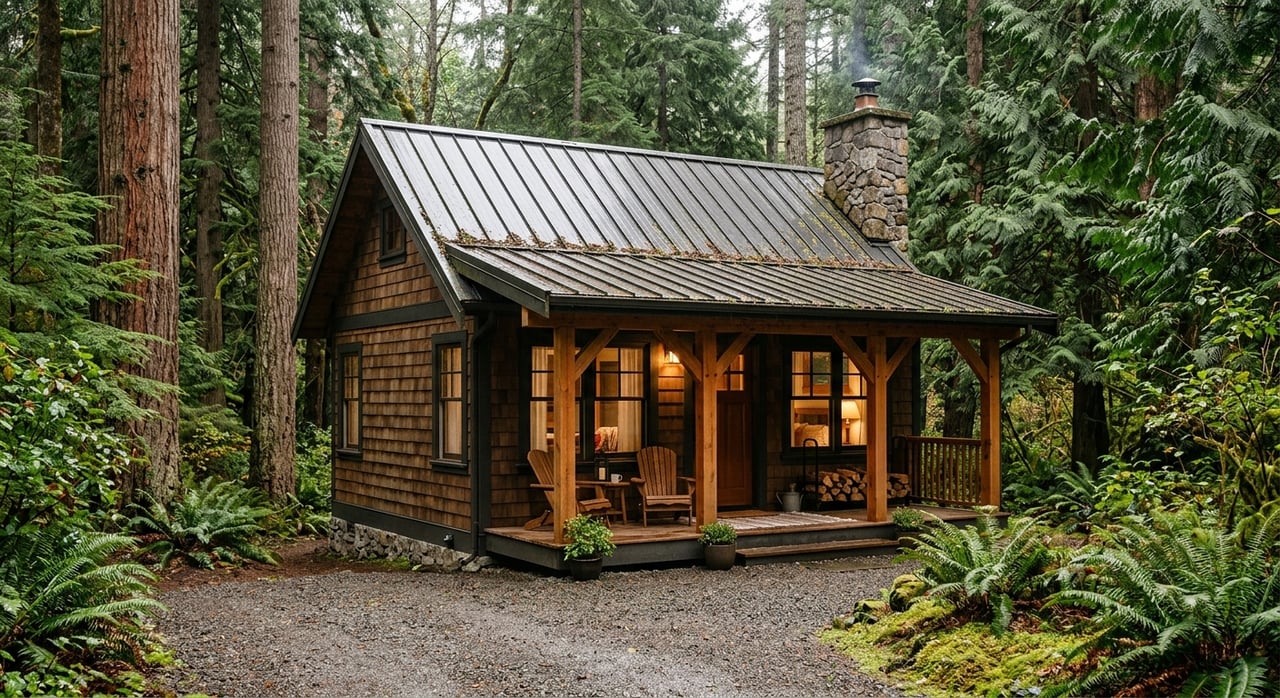
Dreaming about a place where the redwoods meet the ocean? Trinidad can feel like exactly that kind of escape. If you are thinking about buying a second home or retreat property here, it helps to understand how this tiny coastal market works, what ownership really looks like, and which property details deserve extra attention before you write an offer. Let’s dive in.
Why Trinidad appeals to second-home buyers
Trinidad offers a very different lifestyle from a typical inland or suburban market. You are buying into a small coastal setting shaped by rugged shoreline, public beaches, redwood access, and a slower pace that many buyers want in a retreat property.
The area’s draw is closely tied to tourism and recreation. Local planning materials describe Trinidad as a community supported by visitor activity and outdoor recreation, and nearby destinations like Trinidad State Beach, Sue-meg State Park, Redwood National and State Parks, and Trinidad Head are a big part of the appeal.
This is also a very small city. Census data shows about 307 residents, 245 housing units, and 174 households, and city materials describe Trinidad as roughly one square mile and largely built out. For you as a buyer, that usually means limited supply, fewer choices at any given time, and strong competition for well-located properties.
Trinidad is a limited-inventory market
If you are shopping for a retreat property, one of the first things to know is that Trinidad does not offer a deep pool of inventory. Public market data from March 2026 showed 12 active listings in the Trinidad ZIP code and 1 rental property, with a median home price of $1,062,750.
That kind of thin inventory can shape your search in a few ways. You may need to move quickly when the right property appears, stay flexible on finishes or layout, and focus on location, condition, and long-term fit rather than waiting for a perfect match.
It also means each listing can be a little more unique. In a market this small, comparing one property to another is not always straightforward, especially when ocean proximity, parcel characteristics, access, and coastal review issues vary from home to home.
What kinds of properties you will find
Most of Trinidad’s occupied housing stock is made up of single-family detached homes. According to the city’s housing element, 83% of occupied homes fall into that category, with mobile homes at 11.2% and 2 to 4 unit buildings at 4.9%.
That matters because it helps set expectations for your search. You are generally not looking at large planned subdivisions or a broad condo market. Instead, you are more likely to see detached homes on distinctive parcels, along with a narrower range of alternative housing types.
The city is also mostly built out, with future development limited by finite land and environmental constraints. That built-out pattern is one reason Trinidad often feels supply-limited and why buyers tend to place a premium on existing homes in desirable locations.
Trinidad already functions as a second-home market
If Trinidad feels like a place where people own homes for part-time use, the data supports that impression. The city’s housing analysis estimated a 43.6% vacancy rate, including 29.4% seasonal, recreational, or occasional use.
That does not tell you whether any specific street or property is owner-occupied, but it does show that part-time ownership is already part of the local housing pattern. For second-home buyers, that can make Trinidad feel more familiar than a market where nearly every home is occupied full-time.
It also means you should think carefully about how you want to use the property. Your ideal setup may be different if you want a pure personal retreat, a part-time coastal base, or a home that may also be rented during part of the year.
Climate shapes the retreat experience
Trinidad’s North Coast setting is a major part of its charm, but it also shapes everyday ownership. NOAA’s climate information for the Eureka and Humboldt Bay area notes that the Pacific moderates temperatures and that summer often brings marine-layer fog and low clouds.
In practical terms, you should expect a cool, damp, marine environment rather than the sharper seasonal swings many inland buyers are used to. That can be perfect if you want beach walks, forest drives, and quiet shoulder-season stays instead of hot summers.
The same conditions can also affect upkeep. Moisture, wind, and coastal exposure can make roofs, decks, drainage, and exterior materials more important parts of your ownership budget and maintenance routine.
Ownership can be more hands-on
A second home in Trinidad may need more active oversight than a standard inland property. Bluff-top and forest-edge settings can come with their own practical issues, especially when vegetation, drainage, retaining walls, and site stability are part of the picture.
The city states that retaining walls over three feet require engineered design, Coastal Development Permit and Design Review approval, and a Building Permit. The city also states that removing trees greater than 12 inches in diameter requires a Coastal Development Permit.
For you, that means projects that seem simple on paper may involve added review, time, and cost. If a property’s value depends on views, site work, or landscape changes, it is smart to understand what is allowed before you make plans.
Coastal review matters in Trinidad
Because Trinidad is essentially entirely within the Coastal Zone, development and improvement work can involve extra layers of review. The city says that projects between the first public road and the sea, within 300 feet of a beach or coastal bluff edge, or within 100 feet of a wetland, estuary, or stream are appealable to the Coastal Commission.
The city also notes that most development projects require design review. In addition, structures or fences should not significantly block shoreline, harbor, or ocean views from public roads and public vista points.
This does not mean buying in Trinidad is overly difficult. It does mean you should approach remodel plans, additions, site changes, and even certain exterior improvements with a realistic view of process and timing.
Septic diligence is essential
One of the biggest practical issues for second-home buyers in Trinidad is wastewater service. The city states that all homes and businesses in the Trinidad area use onsite wastewater treatment systems, and there is no central sewer system.
Owners must maintain valid OWTS operating permits, and the city says systems are inspected on a schedule and reevaluated when a property is transferred or improved. If a system is substandard or failing, upgrades may be required.
That makes septic and OWTS review a core part of due diligence. Before you buy, you will want a clear understanding of permit status, inspection history, system condition, and whether planned improvements could trigger additional review or expense.
Hazard planning should be part of your search
When you buy near the coast, location is not just about views and access. It is also about understanding hazards tied to shoreline conditions, sea level rise, flooding, erosion, and tsunami exposure.
Humboldt County’s Safety Element identifies sea level rise risks that include coastal flooding and erosion, displacement of coastal residents, and habitat loss. The county also states that development near coastal bluffs and beaches should address wave action, storm swell, tsunami inundation, and projected sea level rise.
For you as a buyer, this is less about alarm and more about smart screening. It is worth reviewing parcel-specific conditions, evacuation area information, and the physical setting of the home early in the process.
Taxes, budgeting, and after-closing surprises
Second-home buyers often focus on price and monthly payment first, but property taxes deserve early attention too. Humboldt County says the Assessor values property at market value at the time of purchase, and both the county and the State Board of Equalization note that supplemental property taxes may be due after a change in ownership or new construction.
That means your tax costs may not stop with the regular annual bill. You may also receive post-closing supplemental tax bills, so it is wise to build those into your budget from the beginning.
If you are comparing Trinidad to other second-home options, this is one of the practical cost items that can catch buyers off guard. Clear planning up front can make the full ownership picture easier to manage.
Think through personal use versus rental use
Many buyers consider offsetting ownership costs by renting out a retreat property for part of the year. If that is part of your plan, it is important to sort out your intended use early because tax treatment can differ depending on how often you use the home personally and how often it is rented.
The key point is simple: a home used mainly for personal enjoyment may be treated differently from one operated more like a rental property. If you expect mixed use, talk with a tax professional before closing so you understand how personal-use days, rental days, depreciation, and expense allocation could affect you.
That conversation can help you decide how to structure your budget and whether a property still fits your goals once the numbers are viewed realistically.
Insurance questions to ask early
Insurance should be part of your early planning, not a last-minute task. The California Department of Insurance states that standard homeowners insurance does not cover flood damage.
For a coastal second home, the better question is not only whether you can insure the house, but whether separate flood coverage or other specialty coverage may make sense for that specific parcel and location. Conditions can vary from one property to the next.
If you are narrowing down options, insurance conversations can help you compare true ownership costs across homes that may look similar at first glance.
What smart buyers focus on in Trinidad
When you are buying a retreat property here, the smartest approach is usually to balance lifestyle goals with property realities. The setting may be beautiful, but due diligence still matters just as much as the view.
Here are a few of the biggest items to focus on:
- How often you plan to use the home personally
- Whether part-time rental use is part of your plan
- OWTS permit status and system condition
- Coastal review issues tied to the parcel
- Bluff, beach, wetland, or stream proximity
- Exterior maintenance needs in a cool, damp climate
- Hazard and evacuation considerations
- Insurance options and supplemental tax planning
A property that feels perfect for weekend escapes may not be the best fit if it carries major improvement limits or deferred maintenance. On the other hand, a well-matched home can give you exactly what many buyers come to Trinidad for: a place to slow down, recharge, and stay close to some of the North Coast’s most memorable scenery.
Why local guidance matters
Trinidad is not a cookie-cutter second-home market. The mix of limited inventory, coastal rules, onsite wastewater systems, hazard considerations, and one-of-a-kind parcels means details matter.
That is where local context can make a real difference. When you are evaluating homes in a small market like this, it helps to work with someone who understands both standard residential concerns and the added layers that often come with coastal and land-sensitive property.
If you are thinking about a second home or retreat property in Trinidad, Kyla Nored can help you look beyond the photos and evaluate what day-to-day ownership may really involve.
FAQs
What makes Trinidad appealing for a second home?
- Trinidad offers a small coastal setting with access to beaches, redwoods, and outdoor recreation, and local data shows the area already includes a meaningful share of seasonal and occasional-use homes.
What types of second-home properties are common in Trinidad?
- Trinidad’s occupied housing stock is mostly single-family detached homes, with a smaller share of mobile homes and small multi-unit properties.
What should buyers know about septic systems in Trinidad?
- Homes in the Trinidad area use onsite wastewater treatment systems rather than a central sewer system, and buyers should review permit status, inspections, and possible upgrade needs during due diligence.
What coastal review issues can affect Trinidad properties?
- Many projects in Trinidad require design review, and properties near the sea, beaches, bluffs, wetlands, estuaries, or streams may face added coastal review or appeal considerations.
What climate factors affect second-home ownership in Trinidad?
- Trinidad’s marine climate brings cool temperatures, fog, moisture, and coastal exposure, which can increase the importance of exterior maintenance, drainage, decks, and roofs.
What tax questions should second-home buyers ask in Trinidad?
- Buyers should plan for regular property taxes plus possible supplemental tax bills after a purchase, and anyone considering part-time rental use should talk with a tax professional about how the property may be classified.
Does standard homeowners insurance cover flood damage in Trinidad?
- No. The California Department of Insurance says standard homeowners insurance does not cover flood damage, so buyers should ask whether separate flood or specialty coverage is appropriate for the parcel they are considering.