Looking for a home where you can answer emails in the morning, make art in the afternoon, and still enjoy a small-town North Coast lifestyle? Blue Lake can be a compelling option if you are a creative professional, remote worker, or self-directed buyer who wants more than a standard bedroom-and-backyard setup. If you are considering buying here, it helps to understand how the town’s size, housing stock, work-from-home flexibility, and property details can shape your decision. Let’s dive in.
Why Blue Lake appeals to creatives
Blue Lake is a very small incorporated city in Humboldt County, with 1,208 residents and 646 housing units according to the Census Bureau profile. That small scale gives the town a local, low-volume feel, which can be appealing if you want a quieter home base and a more personal sense of place. It also means inventory can be limited, so the right home may take time to find.
The city has a visible arts identity that stands out for a town this size. Blue Lake has an Arts and Heritage Commission that supports artistic, cultural, and historical development, and Dell’Arte International is based in the historic Odd Fellow Hall. The city also highlights the Blue Lake Museum, a branch library, and community events tied to local arts and culture.
For many buyers, that mix matters just as much as square footage. If your work or lifestyle depends on inspiration, community events, or space to create, Blue Lake offers a setting that feels distinct from a typical commuter market. It is a place where the creative side of daily life is part of the town’s identity.
Why Blue Lake works for remote living
Blue Lake can also make sense if your income is remote, portable, or self-directed. The city’s housing element notes limited local job opportunities and little affordable housing development, which means the town often fits best for buyers whose work is not tied closely to the immediate local labor market. If you work online, freelance, consult, or run a small creative business, that can be a strong match.
Day-to-day access is practical enough for many remote households. The city notes that electricity, gas, internet, and telephone service are available to most areas in town, and the housing element names Suddenlink and AT&T as providers in that document. Still, internet service is highly address-specific, so you should verify speed and provider options for any property you are serious about.
There is also a useful backup option if your home office is not ready on day one. The Blue Lake branch of the Humboldt County Library offers free internet access, which can help if you need a temporary work spot. For buyers who rely on video calls, uploads, or daily online workflows, small details like that can make the transition easier.
What homes in Blue Lake look like
Blue Lake’s housing stock is mostly single-family detached homes, which make up 63.0% of the city’s units. Smaller multifamily properties account for 19.5%, larger multifamily properties make up 5.6%, and mobile homes or other housing types account for 9.9%. Owner occupancy is slightly higher than renter occupancy, at 59.6% versus 40.4%.
For a buyer, that housing mix can open up different paths. You may find a detached house with room for an office, a smaller property with a manageable footprint, or a setup that gives you outdoor or accessory space for tools, storage, or studio use. In a small market like Blue Lake, flexibility often matters more than chasing a single property type.
The age of the housing stock is an important part of the story. Only 16.2% of homes were built since 1990, and the city’s preliminary condition survey found that about 30% of residential structures may need some type of rehabilitation. If you are shopping here, inspections and repair budgeting should be part of your plan from the beginning.
Think beyond the house itself
If you are a creative or remote worker, your ideal property may need to do more than provide bedrooms and living space. You may want a detached building, a workshop area, a quiet office, or room to adapt part of the property over time. In Blue Lake, those questions are often more important than cosmetic finishes alone.
The city’s code offers some meaningful flexibility for home-based work, but it is not unlimited. Blue Lake defines home occupations in a way that includes an art or profession, service work, and handcraft manufacture. The code also specifically references uses such as fine arts, photography, typing, word processing, ceramics or pottery studios, dance studios, and music lessons under the home-occupation framework.
That is encouraging if you want to live and work in the same place. At the same time, the work must remain secondary to the residence, so a home cannot simply function as a full commercial site. Before you write an offer, it is smart to confirm whether your intended use fits the city’s standards.
Detached studios and accessory spaces
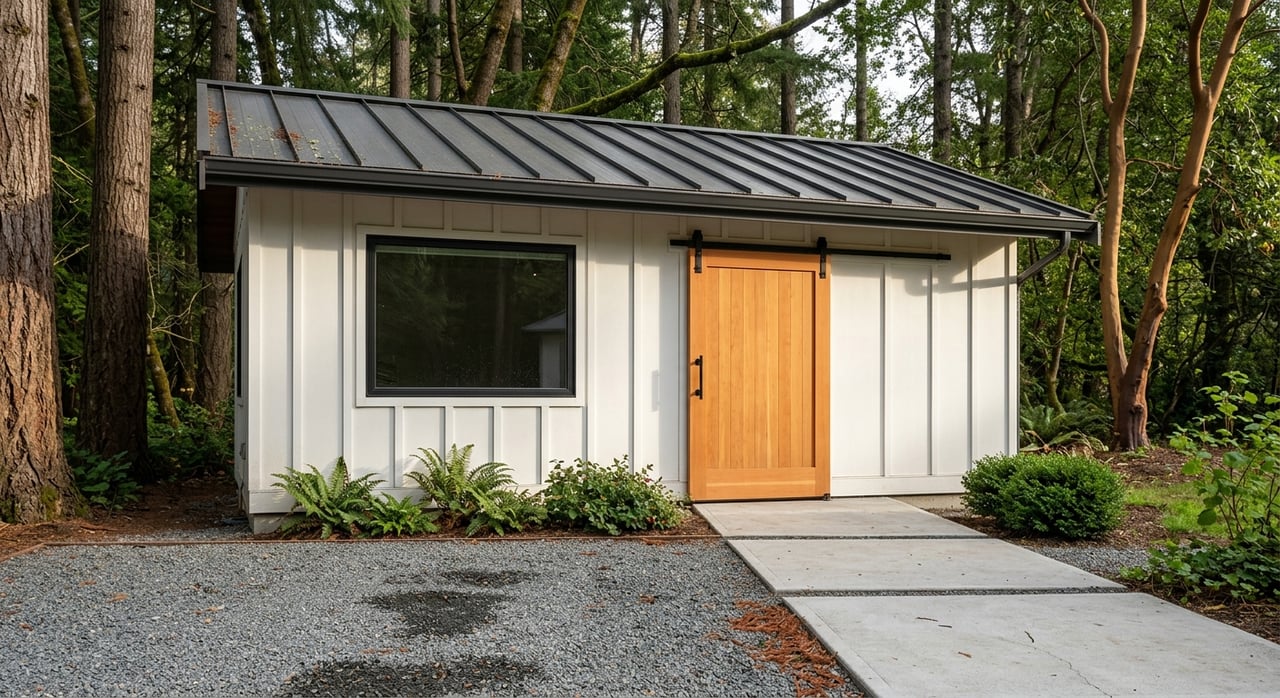
Blue Lake also recognizes accessory buildings as possible spaces for workshops, offices, guest houses, and studios for artwork or music. That can be a big advantage if you want physical separation between home life and work life. A detached office or studio can make remote work more focused and creative work more practical.
The city also provides for accessory dwelling units under permit standards. If you are considering a property because of future flexibility, this is worth a close look. An ADU, detached studio, or expanded workspace can add function, but those possibilities are still permit-driven and should be reviewed carefully before you commit.
This is where local property knowledge matters. In a market like Blue Lake, a home’s real value may come from what the lot, outbuildings, and zoning can support over time, not just what the main house looks like today.
Watch for condition and site constraints
Because much of Blue Lake’s housing stock is older, condition deserves careful attention. If you are buying an older home with hopes of creating a studio, adding equipment, or renovating a workspace, you will want a realistic budget for repairs and upgrades. Even a charming property can become expensive if deferred maintenance is overlooked.
Site constraints matter too. The housing element notes that some sites are affected by floodplain, creek-setback, and wetlands constraints, even though most vacant and likely developable sites are outside the 100-year floodplain. Properties near Powers Creek or other low-lying areas deserve extra review.
For buyers, that means due diligence should go beyond the usual checklist. You want to know not only whether the home feels right, but also whether the site supports your long-term plans. A great layout is only part of the picture if the land itself limits what you can do.
Daily life details worth knowing
Blue Lake has several local amenities that can add to everyday quality of life. The city highlights the Annie & Mary Trail, Blue Lake Bike Park, Perigot Park, and the Mad River Hatchery. The area is also described as milder along the coast and warmer and drier inland, and the city emphasizes sunny weather and river access as part of Blue Lake’s appeal.
Those lifestyle details can be especially attractive if you work from home. When you are not commuting every day, your connection to trails, parks, open air, and community spaces can matter more. Blue Lake offers a setting where stepping outside can become part of your routine, not just a weekend plan.
There are also a few practical details to keep in mind. The city says Blue Lake does not have home-delivery mail service, so P.O. boxes are the norm. Water and sewer service are handled locally within city limits, and new accounts require an application, fee, and deposit.
Market context for buyers
Blue Lake is a small, thin market, which means pricing should be handled carefully and locally. Zillow reports an average home value of $439,184 in Blue Lake, down 1.8% over the past year. Redfin reports Humboldt County’s median sale price at $409,000 over the last three months, down 9.16% year over year.
These are different metrics, so they are not directly comparable. Still, they point to the same takeaway: local comps and property condition should drive pricing decisions more than broad market headlines. In Blue Lake, two homes with similar square footage can have very different value depending on condition, lot utility, workspace options, and site constraints.
That is especially true for creative and remote-worker buyers. A home with verified internet performance, a legal accessory structure, and a layout that supports work may be worth more to you than a cosmetically updated home that lacks those features.
A smart Blue Lake buying checklist
If Blue Lake is on your list, it helps to narrow your search around the way you actually live and work. Instead of starting with finishes or trends, start with function. Ask whether the property can support your daily routine now and your plans later.
Here are some of the most important questions to review before making an offer:
- Can the property support your intended home occupation under city rules?
- Is there an existing studio, workshop, office, or accessory building, and was it properly permitted?
- If you want to add an ADU, shop, or detached workspace later, what city approval would be required?
- Is the lot near a creek, wetland area, or floodplain constraint?
- Is the home connected to city water and sewer?
- What internet providers serve the address, and what speeds are actually available there?
- What repairs or rehabilitation should you budget for, especially in older homes?
This kind of checklist can help you avoid buying a property that looks good online but does not really fit your life. In Blue Lake, the most successful purchases often come from asking practical questions early.
Why local guidance matters here
Blue Lake is not a one-size-fits-all market. It is a small town with an arts presence, older housing stock, address-specific utility questions, and property details that can matter more than first impressions. If you are buying as a creative or remote worker, you need a strategy that looks at the whole property, not just the listing photos.
That is where local market knowledge can make a real difference. A buyer-focused approach should help you weigh condition, use potential, utility access, and long-term fit so you can buy with more clarity and less guesswork. If you are exploring Blue Lake and want practical guidance on homes, studios, land use questions, or small-market property nuances, reach out to Kyla Nored.
FAQs
What makes Blue Lake appealing for creative homebuyers?
- Blue Lake has a strong local arts identity, community cultural resources, and zoning that can support certain home-based creative work when it remains secondary to the residence.
Is Blue Lake a good fit for remote workers buying a home?
- It can be, especially if your income is remote or self-directed, but you should verify internet service at the exact address before making an offer.
Can you have a home studio in Blue Lake?
- In many cases, possibly yes, because the city code recognizes home occupations and accessory buildings for uses like studios, offices, workshops, and art or music space, subject to local standards and permits.
Are Blue Lake homes older than average?
- Much of the housing stock is older, with only 16.2% built since 1990, and the city found that about 30% of residential structures may need some level of rehabilitation.
What property risks should buyers check in Blue Lake?
- Buyers should closely review property condition, permit history, utility access, and site issues such as floodplain, creek-setback, or wetlands constraints.
Is Blue Lake real estate a high-volume market?
- No, Blue Lake is a very small market with limited housing inventory, so buyers may need patience and a clear strategy when the right property becomes available.