If you own an older home in Eureka, you may be wondering whether buyers will see charm or just a long to-do list. That is a fair concern, especially in a market where condition, disclosure, and pricing all matter. The good news is that older Eureka homes occupy a distinct place in the local market, and that can work in your favor when you prepare thoughtfully. Let’s dive in.
Why Older Eureka Homes Stand Out
Eureka is not just a place with older houses. It is a city that openly embraces its historic identity. The City of Eureka traces its founding to the 1850s, notes its incorporation on April 18, 1856, and describes the community as the “Victorian Seaport.”
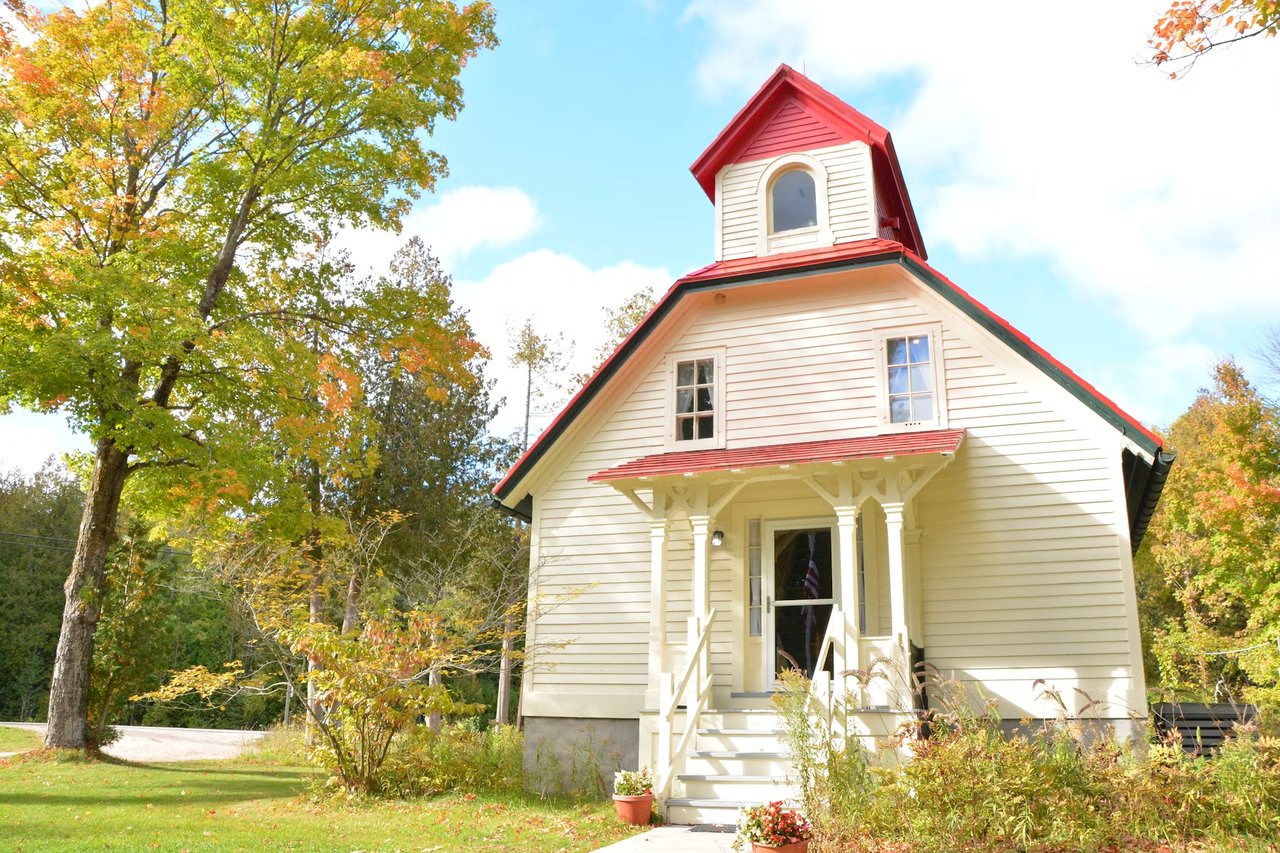
That context matters when you sell. In a market like Eureka, buyers often respond to architectural detail, setting, and historic continuity along with square footage and layout. An older home can offer something newer properties simply do not.
Old Town plays a big role in that story. The California Office of Historic Preservation describes Old Town Eureka as a 350-acre district listed on the National Register and designated as a California Historical Landmark. If your home is in or near a historic area, its location and period character may be part of its appeal.
Character Can Be a Selling Advantage
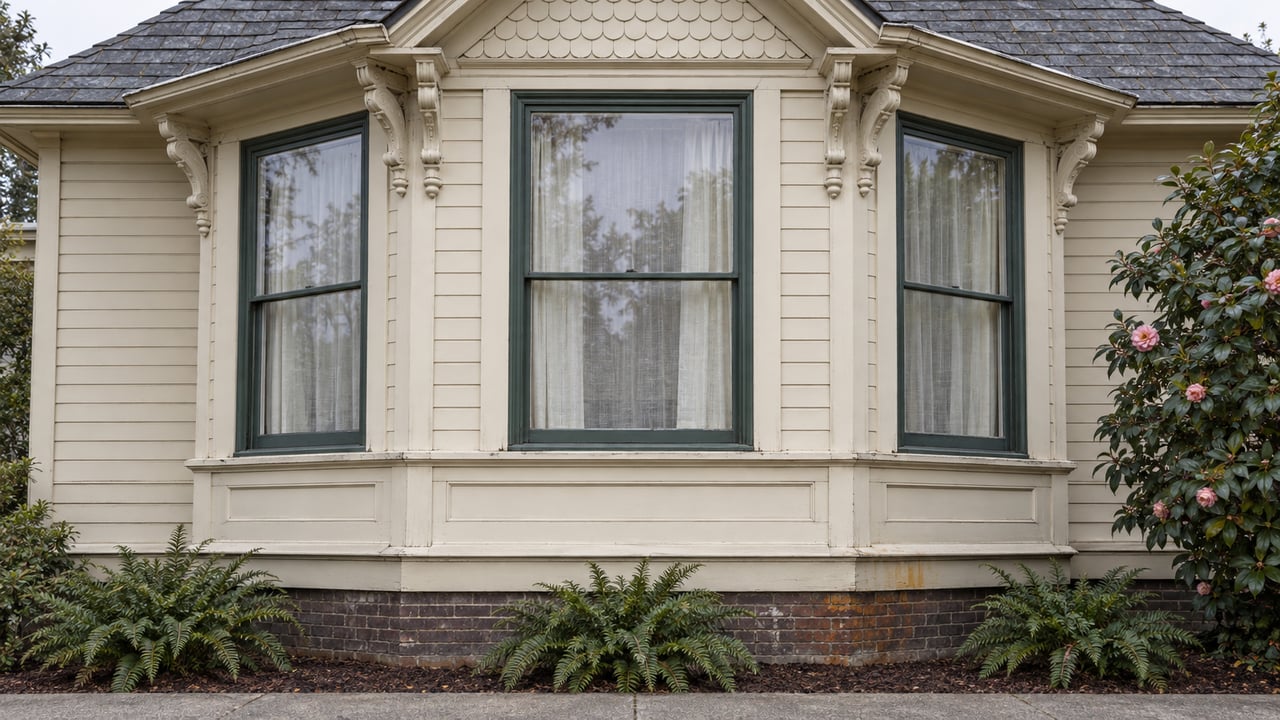
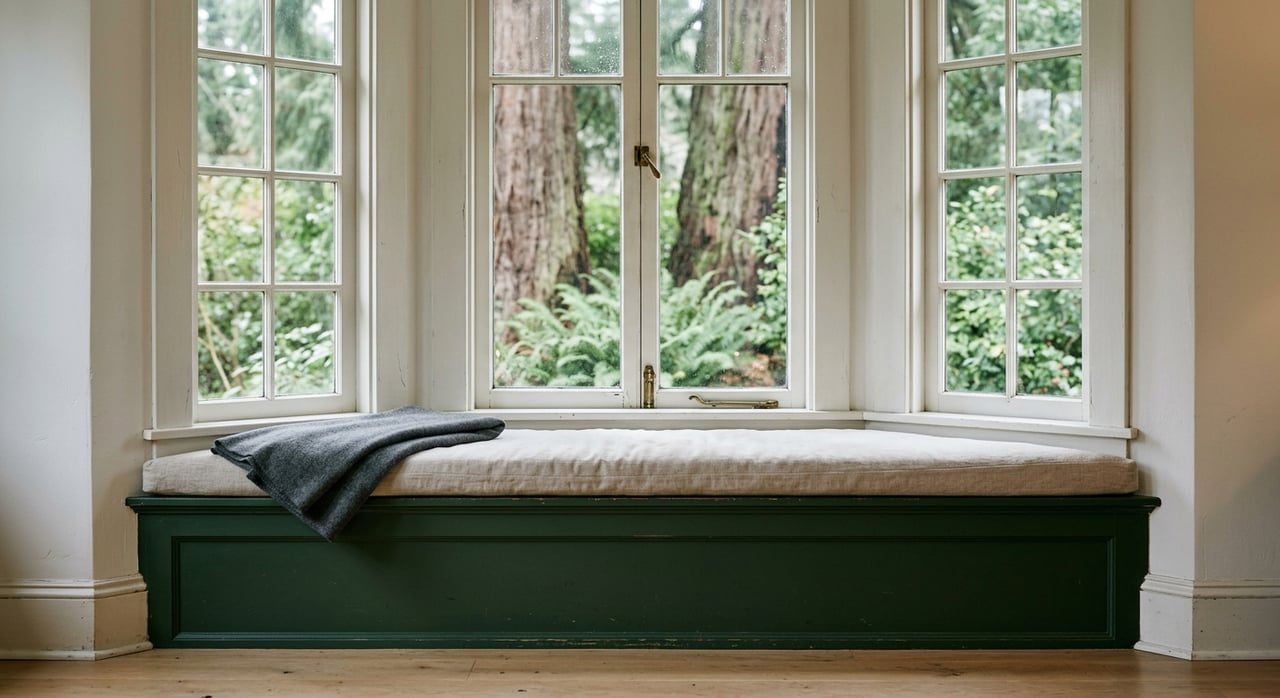
Older Eureka homes often have details that buyers remember. Original trim, wood windows, porch features, rooflines, and craftsmanship can help a property feel distinctive in a crowded search. Those features may shape first impressions just as much as an updated kitchen or bath.
The City of Eureka specifically identifies wooden windows as an important distinguishing feature of historic buildings. Local historic district guidance also emphasizes preserving original details, porches, windows, roofs, and foundations whenever feasible. That tells you something important about this market: original character is not just tolerated here. It is often valued.
This does not mean every old feature adds value automatically. It means buyers are more likely to appreciate a home that feels cared for and true to its era, rather than one that has been stripped of the details that made it special.
Start With Repairs, Not Reinvention
If you are getting ready to list, your first instinct might be to modernize everything. In many older Eureka homes, that is not always the best move. A smarter approach is usually to address condition issues first, then improve presentation without erasing the home’s identity.
Local preservation guidance supports this approach. Eureka’s historic district materials say original architectural details should be preserved in place whenever feasible, and deteriorated details should be repaired rather than replaced when possible. That same repair-first mindset appears in broader rehabilitation standards as well.
For sellers, the practical takeaway is simple. Focus first on deferred maintenance, visible wear, and issues that might concern a buyer during inspections. Once those items are handled, presentation becomes much easier and much more credible.
What Buyers Notice First
Before a buyer starts thinking about future projects, they usually notice the basics:
- whether the home feels maintained
- whether original features look intentional or neglected
- whether exterior details appear sound
- whether rooms feel clean, bright, and functional
- whether the home’s style feels consistent
A buyer will often forgive age more easily than neglect. An older home that looks stewarded can feel reassuring. An older home with unresolved maintenance can invite lower offers and tougher negotiations.
Showcase Period Details the Right Way
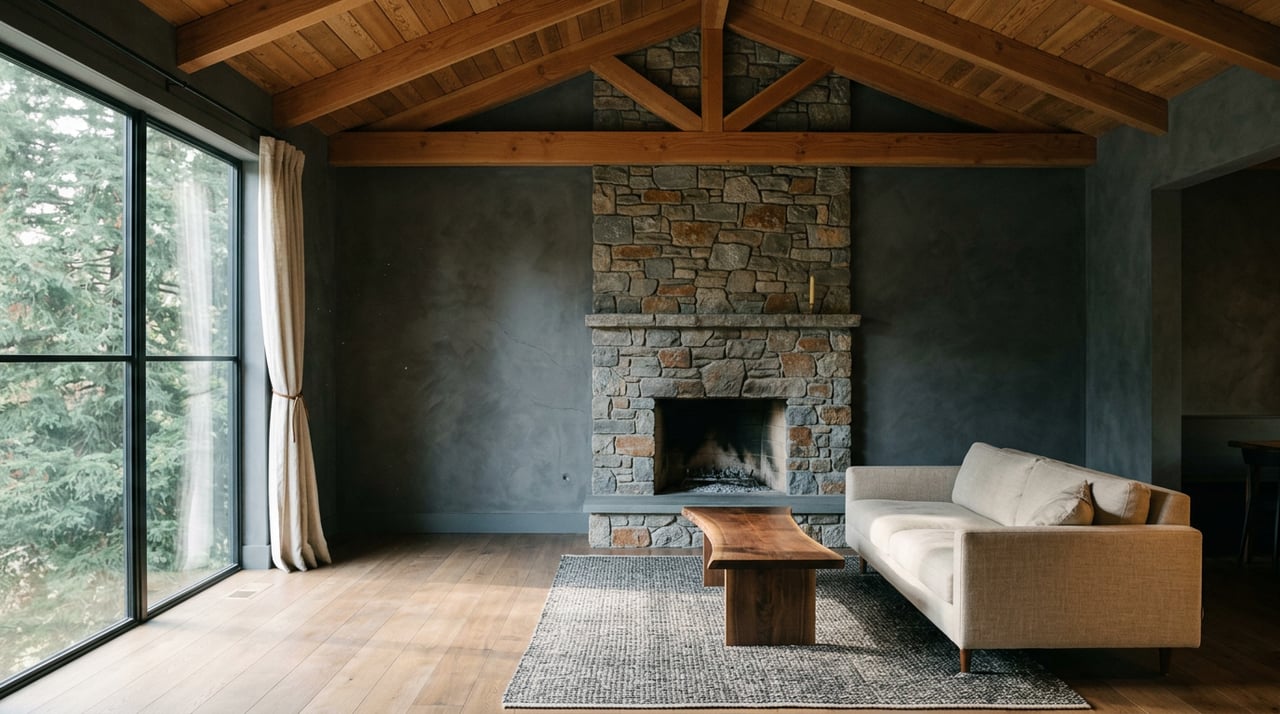
Staging an older Eureka home should support its period identity, not compete with it. That means making original details visible and helping buyers understand how the home lives today.
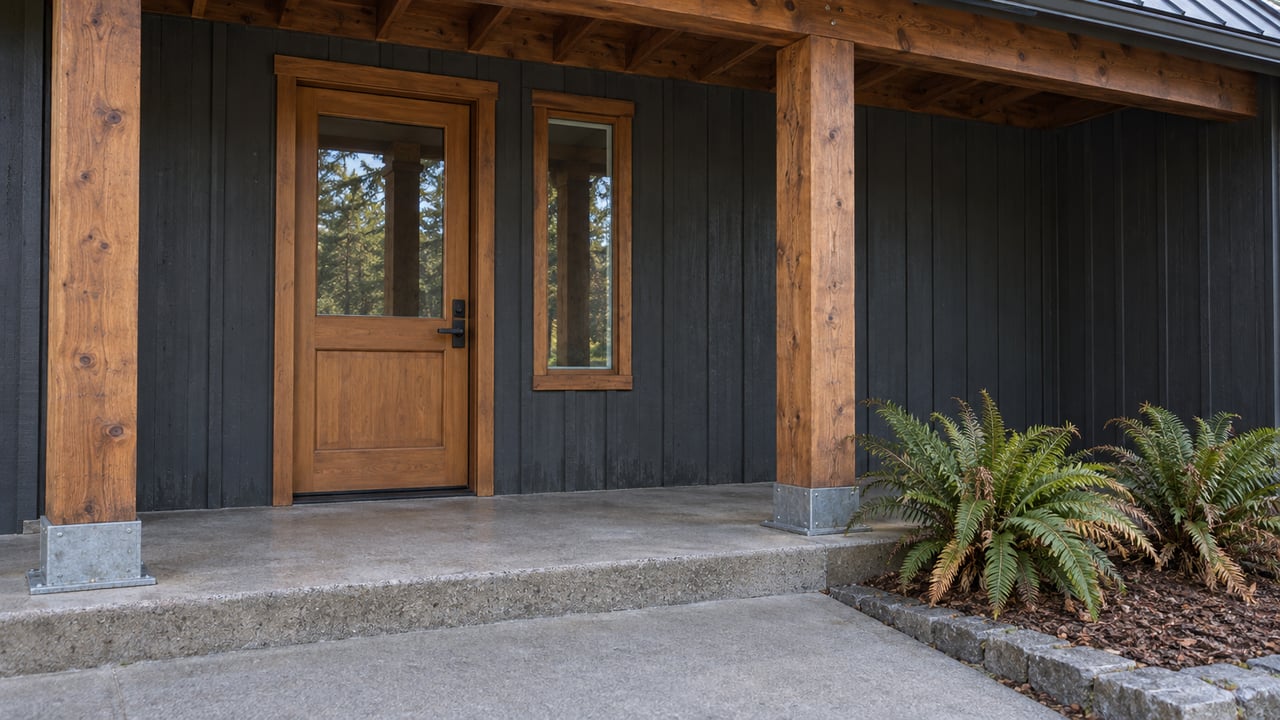
If you have original trim, wood windows, porch details, or other architectural elements, let them stand out. Clean finishes, simple furnishings, and clear sightlines can help buyers notice those features. You do not need to turn the house into a museum. You want it to feel livable, cared for, and authentic.
This is especially relevant in Eureka, where the city’s own historic resources call out wooden windows and other original materials as important parts of a building’s character. If those features are present and in serviceable condition, they may be worth highlighting rather than downplaying.
Know Whether Historic Rules Apply
Not every older home has the same planning context. If your property is in a designated historic area or within Eureka’s Coastal Zone, exterior changes may face added review.
The City of Eureka says its Planning Department handles design review and historic preservation. The city also notes that the Local Coastal Program regulates development in the Coastal Zone, and the Waterfront Eureka Plan covers areas including Old Town, the Commercial Bayfront, and the Library District.
For a seller, this matters in two ways. First, recent exterior work may carry more weight if permits or approvals were involved. Second, buyers may ask questions about what changes are possible in the future, so it helps to understand your home’s context before listing.
Verify Mills Act Status Before Listing
If your older Eureka home has a Mills Act contract, confirm that status early. The City of Eureka says Mills Act contracts can reduce property taxes, but they also require the owner to maintain and improve the historic property.
That can influence buyer expectations. Some buyers may see the tax benefit as a plus, while others may want clarity about the maintenance obligations tied to the property. Either way, it is better to understand and communicate that upfront than sort it out later during escrow.
Disclosures Matter Even More With Older Homes
Selling an older property in California usually means a fuller disclosure conversation. Buyers expect some age-related wear, but they also want a clear picture of known issues, past repairs, and potential hazards.
The California Department of Real Estate says sellers of most 1- to 4-unit residential properties must complete the Real Estate Transfer Disclosure Statement. The DRE also states that sellers and agents must make the disclosures needed to avoid fraud, misrepresentation, or deceit.
The seller’s agent also has a role. According to the DRE booklet, the seller’s agent must complete a reasonably competent and diligent visual inspection of accessible areas. The TDS is important, but it is not a warranty and it does not replace inspections a buyer may choose to obtain.
Key Older-Home Disclosure Issues
For many older Eureka homes, these topics deserve extra attention:
- known defects or deferred maintenance
- prior repairs or remodel work
- lead-based paint disclosures for most homes built before 1978
- natural hazard disclosures when applicable
- wood-destroying organism concerns if required by contract or lender
The goal is not to make your home sound risky. The goal is to present the property honestly and clearly, so buyers can evaluate it with confidence.
Lead Paint Rules for Pre-1978 Homes
If your home was built before 1978, federal lead-based paint rules are likely part of your sale. The EPA says sellers, landlords, property managers, and real estate agents involved with most pre-1978 housing must disclose known information about lead-based paint and lead-based paint hazards before the contract is signed.
The rule also requires delivery of the EPA/HUD pamphlet and an opportunity for the buyer to inspect. The California Department of Real Estate references these same lead-related disclosure obligations in its guidance for sellers.
This is a standard part of many older-home transactions. It does not mean your sale is in trouble. It means you should be ready with the right paperwork and expectations.
Natural Hazard Disclosures in California
California’s Natural Hazard Disclosure process is another important part of the sale. The DRE explains that required disclosures may include flood hazard areas, earthquake fault zones, and seismic hazard zones when applicable.
The DRE also notes that using a third-party Natural Hazard Disclosure provider does not remove the seller’s or agent’s duty to deliver the disclosure. The California Geological Survey likewise says sellers and agents must disclose seismic hazard zones when the property is located in one.
For Eureka sellers, this is less about alarm and more about preparation. If hazard information applies to your property, having it organized early can help keep the transaction moving.
Pest Reports May Come Up
A structural pest control report is not automatically required by law in every sale. However, the California Department of Real Estate says that if the purchase contract or lender requires one, the seller must provide the report and written certification before transfer.
That can be especially relevant with older wood-frame homes. Buyers may be more alert to signs of wood-destroying organisms, moisture-related damage, or long-term maintenance patterns. If this issue is likely to surface, it helps to be prepared rather than surprised.
Price to the Market You Have
Current Eureka market data suggests there is still active buyer demand, but pricing needs to match condition and comparable sales. Recent public snapshots vary a bit, which is normal because they measure different things.
Redfin reports a median sale price of $390,017 over the last three months, up 2.8% year over year, with homes selling in about 19 days. Zillow reports an average home value of $417,542, homes going pending in around 21 days, a median sale price of $430,167, and a median list price of $470,000. Realtor.com reports 194 homes for sale, a median listing price of $449K, and a median of 45 days on market.
Taken together, those figures suggest a Eureka pricing band in the high-$300,000s to mid-$400,000s, with sale-to-list ratios near 99% to 100% and relatively quick movement for well-positioned homes. For an older home, that usually means pricing with discipline and adjusting for condition, updates, and historic appeal.
Avoid Common Pricing Mistakes
When selling an older Eureka home, pricing often goes sideways in a few predictable ways:
- relying too heavily on automated value estimates
- comparing your home to fully updated properties without adjusting for condition
- overpricing based on emotional attachment to original features
- underpricing a home with strong architectural character and a good location
The best pricing conversations usually start with recent sold comparables, then account for your home’s actual condition, improvements, and historic appeal. Older homes are rarely one-size-fits-all, which is why local context matters so much.
What Helps Older Homes Sell Now
In today’s market, older Eureka homes tend to show best when they combine three things: realistic pricing, visible care, and clear disclosure. Buyers do not expect a century-old house to feel brand new. They do expect it to feel understood.
That is where strategy matters. The right preparation can help buyers focus on the home’s story, layout, and setting instead of getting stuck on uncertainty. When your home is presented with clarity, its age can become part of the reason someone falls in love with it.
If you are thinking about selling an older home in Eureka, working with a local team that understands condition, character, and the nuances of Humboldt County property can make the process a lot smoother. When you are ready for practical guidance and a grounded selling strategy, reach out to Kyla Nored.
FAQs
What makes an older Eureka home appealing to buyers?
- Older Eureka homes can appeal to buyers because of their architectural detail, historic character, original materials, and location within a city that values its Victorian-era identity.
Should you replace original windows before selling an older Eureka home?
- Not necessarily. The City of Eureka identifies wooden windows as an important historic feature, and local guidance favors preserving and repairing original elements whenever feasible.
What disclosures are important when selling an older home in Eureka?
- Important disclosures may include the Transfer Disclosure Statement, lead-based paint disclosures for most pre-1978 homes, natural hazard disclosures when applicable, and pest-related documentation if required by the contract or lender.
Does a historic designation affect selling an older Eureka property?
- It can. If a property is in a designated historic area or subject to coastal or design review rules, exterior changes and future buyer plans may involve added planning considerations.
How should you price an older Eureka home in today’s market?
- You should look closely at recent sold comparables and then adjust for condition, updates, and historic appeal rather than relying only on online estimates or active listing prices.
What is the Mills Act and why does it matter to Eureka sellers?
- In Eureka, a Mills Act contract can reduce property taxes on a historic property, but it also requires maintenance and improvement obligations that may affect buyer expectations and pricing discussions.