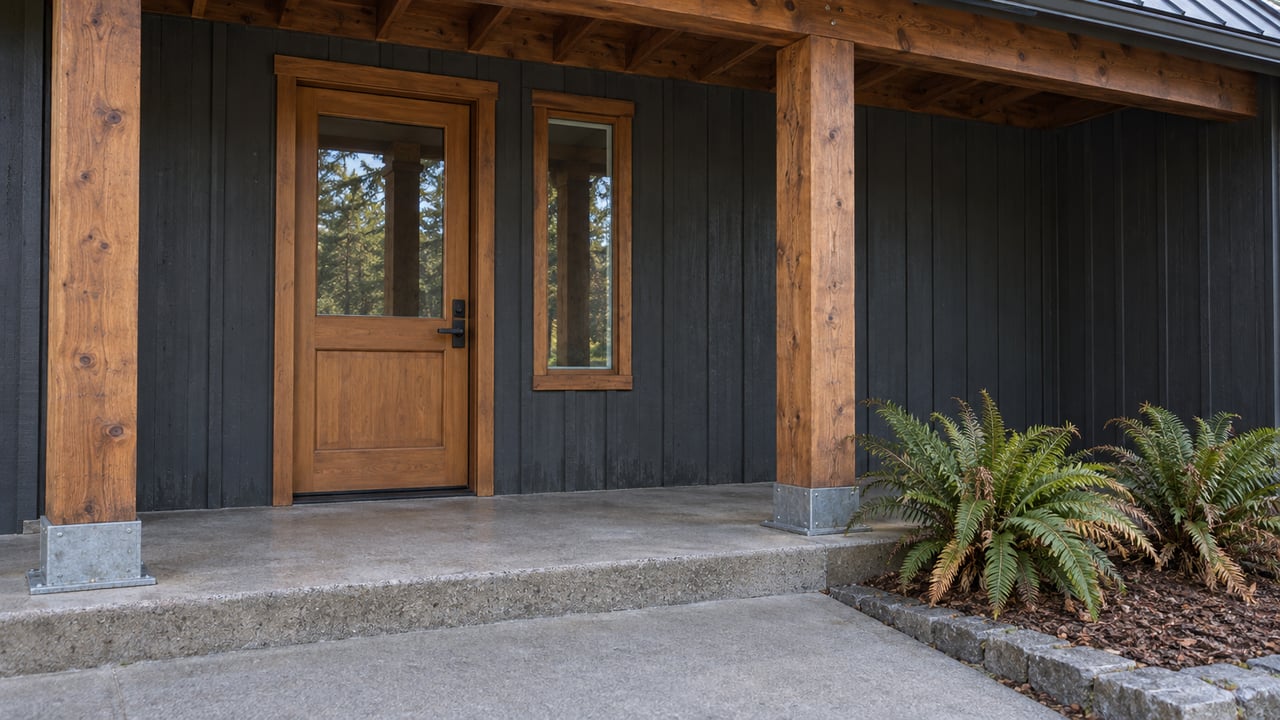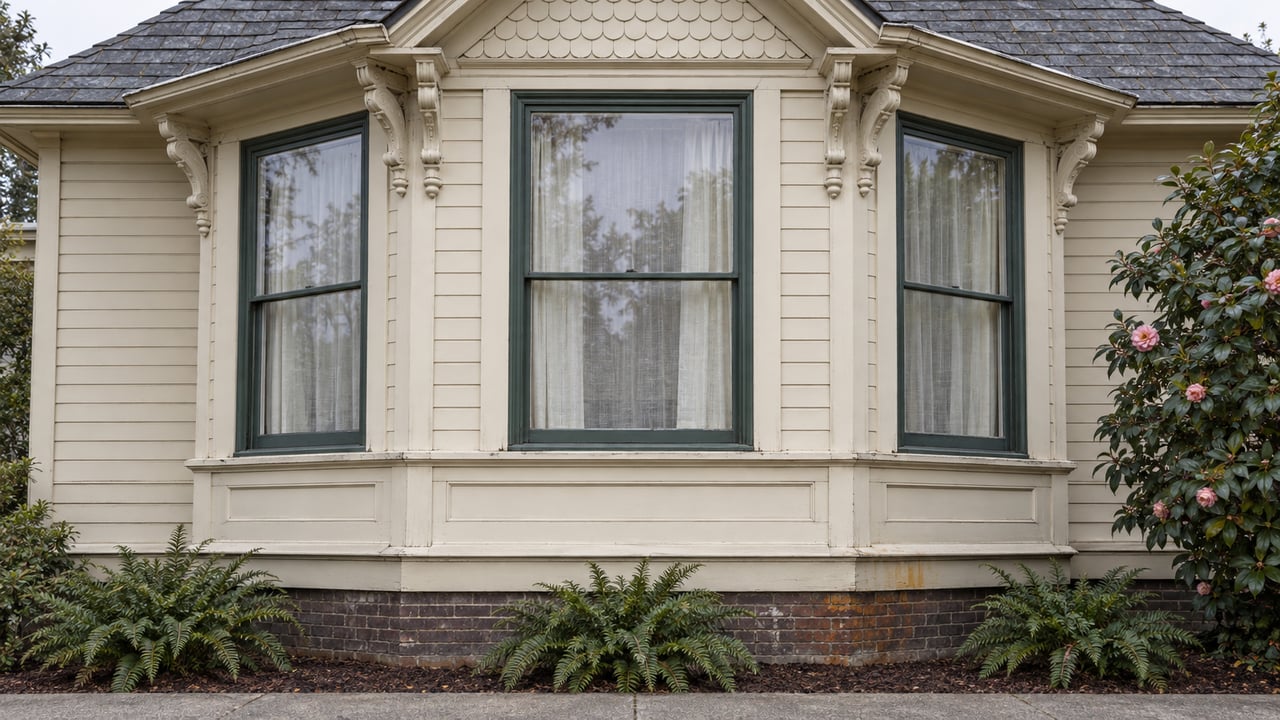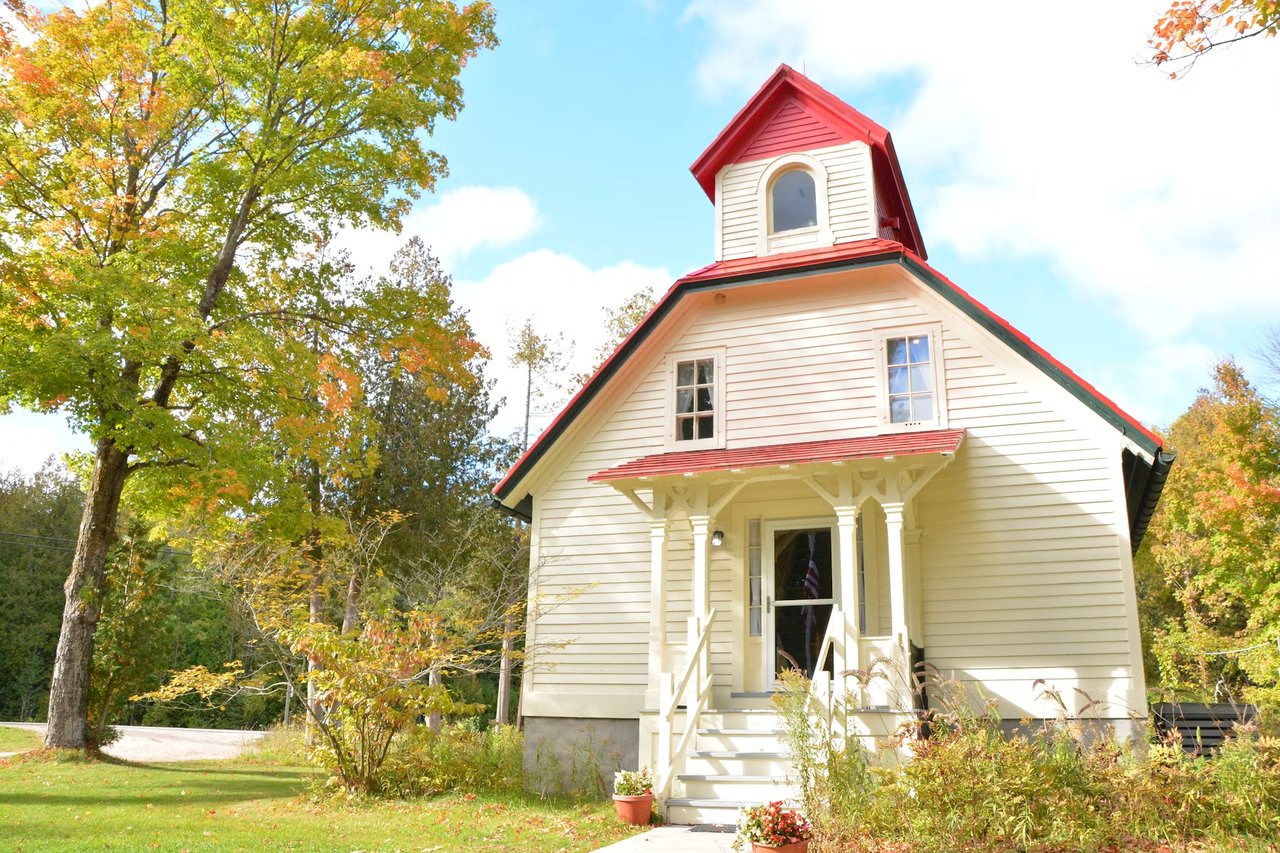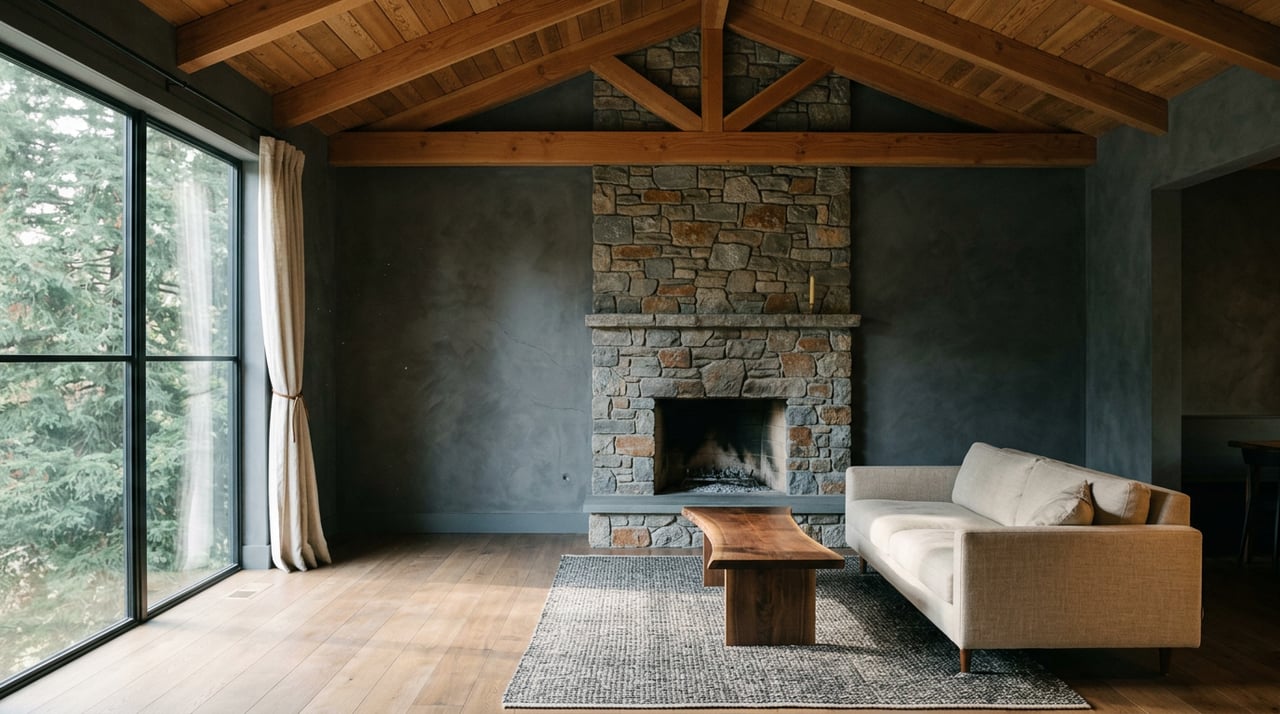
Humboldt County offers a rare blend of natural beauty and real estate diversity, with properties ranging from windswept bluffs along the Pacific Ocean to quiet cabins tucked deep in redwood forests. Buyers here are often faced with a fundamental question: coastal home or forest home? While both offer unique advantages, the difference in home values, maintenance needs, and lifestyle factors can significantly influence your decision. Whether you're investing, relocating, or simply curious, here’s a breakdown of how coastal and forest homes compare in Humboldt County.
Location and Accessibility
Coastal homes in Humboldt County are typically located near towns like Trinidad, Samoa, or Shelter Cove, offering dramatic ocean views and convenient access to beaches. These areas often appeal to vacationers and full-time residents who want a laid-back, scenic lifestyle with relatively easy access to services. On the other hand, forest homes are often set back from major roads and nestled into more rural or mountainous areas like Willow Creek, Kneeland, or the outskirts of Arcata. While the peace and seclusion are unbeatable, longer drive times and less direct access to amenities can affect desirability and, by extension, home values.
Price Trends and Market Demand
Generally, coastal homes in Humboldt County tend to command higher prices than forest homes. Ocean views, beach access, and proximity to coastal towns increase buyer interest and long-term investment potential. That said, forest homes can offer more square footage or acreage for the same price—or less—making them appealing to buyers seeking space and solitude. Market demand for coastal properties often remains more stable over time, especially for homes with vacation rental potential, while forest home values can fluctuate more depending on accessibility and local wildfire risk.
Risk Factors and Insurance Costs
Both coastal and forest homes come with unique environmental risks that influence insurance premiums and resale value. Coastal properties may face erosion, salt air corrosion, and the potential threat of sea-level rise or flooding. Forest homes, meanwhile, are often located in high fire-risk zones, which can make wildfire insurance expensive or harder to obtain. Buyers must factor in these ongoing costs and risks when calculating long-term value. Insurability can significantly affect financing options and even deter future buyers if coverage becomes difficult to maintain.
Maintenance and Upkeep
Coastal homes require regular maintenance due to the corrosive effects of salt air and moisture, especially on exterior finishes, windows, and metal fixtures. Forest homes, in contrast, may deal with issues like fallen branches, moss buildup, and remote infrastructure challenges, including well and septic systems. Accessibility can also complicate repairs in forest areas, particularly during winter. Overall, coastal homes often face more predictable maintenance issues, while forest properties may require more hands-on upkeep throughout the year.
Lifestyle Preferences
For many, choosing between a coastal home and a forest home in Humboldt County comes down to lifestyle. Coastal living offers easy access to surfing, beachcombing, seafood dining, and vibrant sunsets. It tends to be more social and connected, especially in communities like Trinidad or Eureka. Forest living, however, speaks to those who value privacy, self-sufficiency, and immersion in nature. Whether it’s morning walks among redwoods or quiet evenings under starlit skies, the lifestyle is more serene and introspective. Buyers must decide which environment better supports their daily routine and long-term goals.
Resale and Investment Potential
Coastal homes tend to hold their value better over time due to consistent demand and limited inventory along the coastline. These homes also perform well in the short-term rental market, which can add another layer of return for investors. Forest homes can be trickier when it comes to resale, especially if they’re located in very remote areas or require special access. However, forest properties with unique features—like rivers, meadows, or cabin charm—can still appeal to niche buyers and nature enthusiasts if marketed correctly.
Utilities and Infrastructure
Many coastal homes in Humboldt County are connected to public utilities, including water, sewer, and power, particularly those closer to towns. In contrast, forest homes are more likely to rely on private systems such as wells, septic tanks, propane, and solar energy. While this can reduce utility bills, it also requires regular maintenance and potentially higher upfront costs to repair or replace aging systems. Buyers should consider these logistical differences when comparing the true cost of ownership between the two property types.
Land and Expansion Options
Forest homes often come with more acreage, making them ideal for gardening, homesteading, or adding outbuildings like studios or workshops. Zoning is generally more flexible in rural areas, which can be a plus for buyers seeking creative freedom. Coastal properties, especially those in scenic zones, tend to have more restrictive regulations due to environmental protections and lot size limitations. If expansion, privacy, or future building projects are important, a forest home may offer more possibilities.
Community and Connectivity
Living near the coast typically means closer proximity to community events, farmers markets, and coastal towns with thriving local businesses. Internet and cell service are also more reliable in these areas. Forest homes can feel more isolated, and connectivity varies widely based on location and provider availability. That said, those seeking peace, space, and a slower pace of life often find the solitude of a forest home refreshing and restorative, despite the trade-offs.
Choosing What Fits You Best
Ultimately, the choice between a coastal home and a forest home in Humboldt County is highly personal. It’s not just about home values or market trends—it’s about the kind of life you want to lead. Some buyers prioritize resale value and proximity to town, while others crave acreage, privacy, and immersion in nature. Both options offer their own kind of luxury, beauty, and sense of belonging. The key is to understand what matters most to you—and what you’re willing to invest in long-term.
Find Your Perfect Setting in Humboldt
Humboldt County is one of the rare places where you can choose between waking up to crashing waves or whispering pines—and still enjoy small-town charm and stunning natural beauty. Whether you're leaning toward a coastal escape or a forest retreat, understanding the differences in property value, lifestyle, and long-term potential will help you make a confident, informed decision that aligns with your goals and budget.
Explore With The Land Man Office
Ready to find the coastal home or forest getaway that fits your vision? The Land Man Office specializes in helping buyers explore the diverse real estate opportunities across Humboldt County. Their team offers expert insights into market trends, zoning, and property value to help you make the most of your investment—whether you're drawn to the coast, the forest, or something in between. Let them help you find your perfect place to call home.