Finding the right place to live in Arcata can feel like a big puzzle, especially when you are balancing class schedules, family budgets, work responsibilities, or a longer-term housing plan. If you are a student, parent, or faculty member tied to Cal Poly Humboldt, you are not just choosing a home. You are also choosing your commute, your daily routine, and how close you want to be to campus life. This guide will walk you through Arcata’s housing options, neighborhood patterns, price ranges, and key trade-offs so you can make a more confident decision. Let’s dive in.
Why Arcata housing takes planning
Arcata is home to Cal Poly Humboldt’s main campus, and that shapes the local housing market in a big way. The city has a population of 18,748, an owner-occupied housing rate of 36.4%, a median owner-occupied home value of $484,600, and a median gross rent of $1,327 based on Census QuickFacts estimates.
Cal Poly Humboldt also notes that Arcata is a higher-cost community compared with some nearby areas. That matters if you are trying to compare living close to campus with expanding your search to another town. In Arcata, convenience often comes at a premium.
For many households, the decision starts with timing and eligibility. Cal Poly Humboldt requires incoming first-year students from outside the local area to live in university housing for their first two years, while students from Humboldt and Del Norte counties, along with continuing and transfer students, may have more flexibility.
Start with the on-campus or off-campus question
Before you compare neighborhoods, it helps to know whether off-campus housing is even part of your near-term plan. For some students, university housing is required. For others, off-campus housing may be available right away and could offer more independence or a different budget fit.
The university’s 2026-2027 cost-of-attendance guide estimates housing at $8,042 on campus and $9,036 off campus. It also estimates food at $6,714 on campus and $6,882 off campus, which suggests the overall cost difference may be narrower than people expect.
The same university guide estimates typical local housing costs at about:
- $1,200 for a one-bedroom
- $1,750 for a two-bedroom
- $740 for a single room in a house
If you are a parent helping a student plan, or a faculty member relocating to the area, these benchmarks can give you a starting point. They are not the whole picture, but they help frame what Arcata housing may look like in practical monthly terms.
Renting in Arcata: what to expect
Renting is a common choice in Arcata, especially for students, shorter-term residents, and anyone who wants flexibility. Census QuickFacts places the city’s median gross rent at $1,327. Other recent snapshots vary, with Zumper reporting a median rent of $1,400 in May 2026, apartments averaging $1,350, houses averaging $2,300, one-bedrooms around $1,090, and two-bedrooms around $1,450.
These numbers differ because they come from different methods. Some are survey estimates, some track active listings, and some are university budgeting models. Still, they point to the same takeaway: Arcata rentals often land in the mid-$1,000s, with houses typically costing more than apartments or shared housing.
If your goal is affordability, a shared house or a search just outside Arcata may open up more options. If your priority is being near campus, you may need to act quickly when a well-located rental becomes available.
Buying in Arcata: when it may make sense
Buying can be worth exploring if you expect to stay for several years, want more control over your living space, or are looking at a property that could serve a longer-term household or investment goal. Recent pricing benchmarks place Arcata homes in the mid-$400,000s. Zillow’s home value index showed a typical home value of $486,924 and a median list price of $487,500 as of April 30, 2026, while Redfin reported a March 2026 median sale price of $450,000 and a median of 24 days on market.
That creates a very different math problem than renting. Census QuickFacts shows median owner costs with a mortgage at $2,214 per month, which is about $887 above the city’s median gross rent. For many people, that gap helps explain why renting stays common, especially when the housing timeline is short.
Still, buying may be appealing for households planning to remain in the area, buyers who want to live close to campus, or purchasers exploring a multi-family or investment angle. Arcata’s multi-family inventory appears limited but present, with recent snapshots showing asking prices from roughly $370,000 to $1,450,000 depending on size and setup.
Arcata neighborhoods near campus
Arcata’s official neighborhood map includes Downtown/Uniontown, Arcata Heights/Northtown, Sunny Brae, Sunset, Valley West, Westwood/Vaissade, East Arcata/Bay View, and the Cal Poly Humboldt area. If your connection to campus is central to your decision, a few areas tend to stand out for access and convenience.
Downtown and Arcata Heights/Northtown
Downtown/Uniontown is the city’s central business district around the Plaza. If you want quick access to shops, services, and a lively central area, this part of Arcata may be worth a look.
Just north of downtown, Arcata Heights/Northtown combines historic homes, restaurants, cafes, and higher-density residential areas. For buyers or renters who want to stay close to both downtown and campus-related activity, this area can offer a practical middle ground.
Sunset and East Arcata/Bay View
Sunset is almost entirely residential and is known for strong campus access via Sunset Avenue. If your top priority is getting to Cal Poly Humboldt easily, Sunset is one of the clearest neighborhoods to consider.
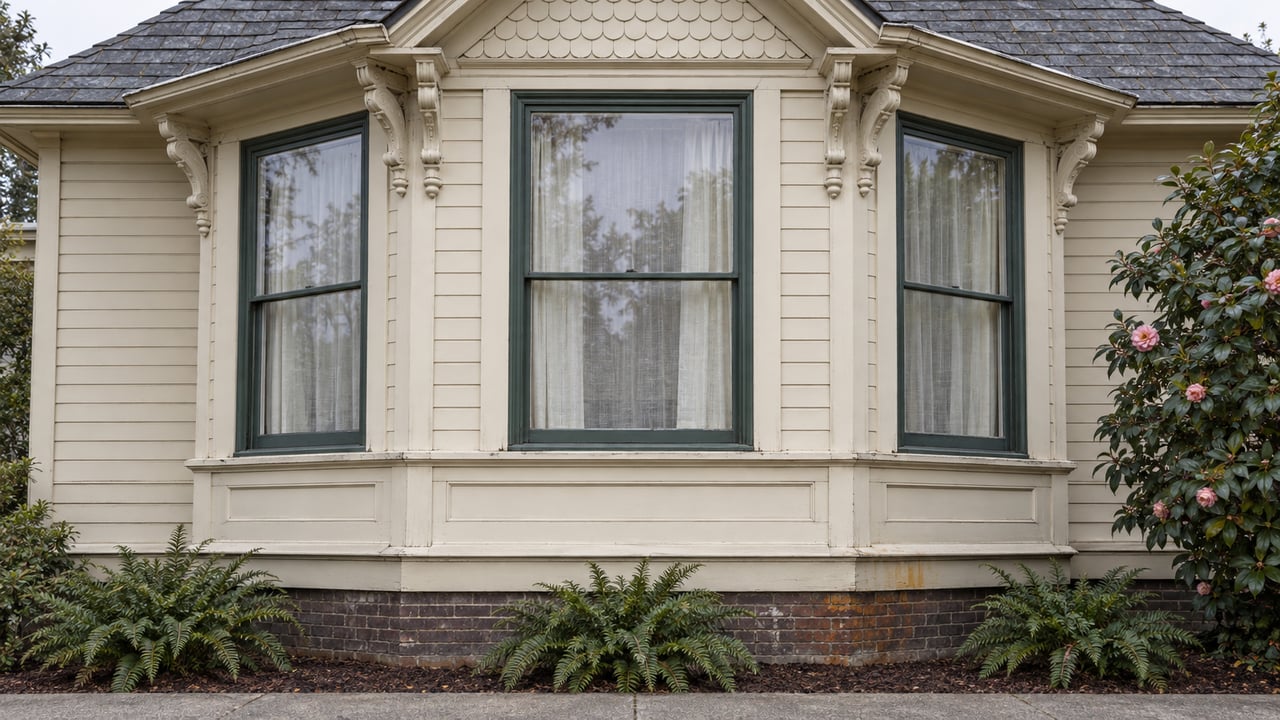
East Arcata/Bay View is also mostly residential. It includes older Victorian-style houses in the flats and newer homes along Fickle Hill Road, which can give buyers a wider range of home styles and settings to compare.
Sunny Brae, Valley West, and Westwood/Vaissade
Sunny Brae sits in southwest central Arcata and includes community-serving retail such as grocery and hardware options. It can appeal to households who want a neighborhood feel with useful day-to-day amenities nearby.
Valley West includes a shopping center, hotels, motels, and a sizable student presence. It also sits within ongoing trail and connection planning aimed at improving links to downtown, campus, and northern Arcata, which may matter if you are weighing commute convenience against price or housing type.
Westwood/Vaissade, in northwest Arcata, is characterized by corner markets, single-family residences, and agricultural lands. If you want a more residential setting while staying in Arcata, this area may be worth adding to your search.
Commute matters more than many people expect
In Arcata, housing decisions are not only about rent or sale price. They are also about how you will get to campus each day. Cal Poly Humboldt says campus parking is extremely limited, and even a permit does not guarantee a spot.
That makes walkability, biking, and bus access real decision points. A place that seems slightly farther away on a map may work well if it has easier transit or trail access. A place that requires driving every day may feel less convenient once parking realities set in.
The city and university share bike-share stations in downtown and on campus. Arcata’s Annie & Mary Trail project is designed to create a safer walking and biking route between downtown Arcata, Cal Poly Humboldt, and Valley West, which may improve daily connections for residents in those areas.
During fall and spring semesters, Humboldt students receive unlimited no-cost rides on RTS, ETS, A&MRTS, and the Willow Creek/Arcata route. Faculty and staff can purchase a Jack Pass for $60 per semester for local and regional buses.
Nearby alternatives outside Arcata
If Arcata prices or availability feel too tight, it may help to widen your search. Cal Poly Humboldt’s off-campus housing guidance points to Blue Lake, Eureka, McKinleyville, and Trinidad as nearby alternatives located about 7 to 14 miles from campus.
This kind of move usually creates a trade-off. You may find different price points, more inventory, or a housing style that fits your needs better, but you will also want to think carefully about transportation, daily drive time, and how often you expect to be on campus.
For students without a reliable car, staying close to bus routes and bike-friendly connections may matter more than square footage. For faculty, staff, or buyers planning a longer stay, a nearby community may offer a different balance between budget, home type, and day-to-day routine.
How to choose the right Arcata housing plan
The best housing choice depends on your role, your timeline, and how you want daily life to work. A student looking for flexibility may weigh things very differently than a parent helping with a multi-year plan or a faculty member considering a purchase.
Here are a few helpful questions to ask before you decide:
- Do you need to live on campus based on Cal Poly Humboldt housing rules?
- How often will you need to get to campus each week?
- Will you rely on walking, biking, bus service, or a car?
- Is your priority lower monthly cost, shorter commute, more privacy, or a longer-term investment?
- Are you planning to stay in Arcata for one year, several years, or longer?
If you are buying, it can also help to compare neighborhood access, property type, and future flexibility. In a market like Arcata, the location of a home relative to campus and transportation can shape both your quality of life and your resale options.
Why local guidance can help
Arcata is a small market, but it is not a simple one. Housing choices here are shaped by campus demand, limited parking, neighborhood access, rental competition, and the trade-offs between in-town convenience and nearby communities.
That is why local knowledge matters. If you are comparing a condo, a single-family home, a multi-family property, or even a home just outside Arcata, it helps to work with someone who understands how these local patterns affect your options.
Whether you are helping a student settle in, relocating for work, or thinking about buying near Cal Poly Humboldt, clear and grounded advice can make the process less stressful. If you want help sorting through Arcata neighborhoods, rentals, purchase options, or nearby alternatives, connect with Kyla Nored for practical local guidance.
FAQs
What are typical rent prices in Arcata for students or faculty?
- Recent Arcata rent benchmarks cluster in the mid-$1,000s, with Census QuickFacts showing median gross rent at $1,327 and other recent listing-based snapshots showing a median around $1,400.
What does Cal Poly Humboldt require for first-year student housing?
- Cal Poly Humboldt requires incoming first-year students from outside the local area to live in university housing for their first two years, while local students from Humboldt and Del Norte counties, plus continuing and transfer students, are not required to live on campus.
Which Arcata neighborhoods are closest to Cal Poly Humboldt?
- Downtown/Uniontown, Arcata Heights/Northtown, Sunset, and the Cal Poly Humboldt area are among the closest-in options, with Sunset specifically noted for strong campus access via Sunset Avenue.
Is buying a home in Arcata better than renting?
- It depends on your timeline and goals, but renting is often more common for shorter stays because Census data shows median owner costs with a mortgage at $2,214 per month compared with median gross rent of $1,327.
Are there housing options outside Arcata near Cal Poly Humboldt?
- Yes. Cal Poly Humboldt’s off-campus guidance points to Blue Lake, Eureka, McKinleyville, and Trinidad as nearby alternatives about 7 to 14 miles from campus.
How important is parking when choosing housing in Arcata?
- Parking is a major factor because Cal Poly Humboldt says campus parking is extremely limited and a permit does not guarantee a spot, so walkability, biking, and bus access can strongly affect which location works best.